
- WLFI token proposal involves national security concerns raised by U.S. Senators.
- Senators Warren and Reed urge investigation into token sales.
- Potential impact on governance and market trust.
U.S. Senators Elizabeth Warren and Jack Reed have called for an investigation into WLFI token purchases linked to sanctioned entities, highlighting potential national security concerns.
The involvement of entities linked to geopolitical risks underscores the pressing need for transparency and regulatory oversight in cryptocurrency markets, potentially affecting governance and trading practices globally.
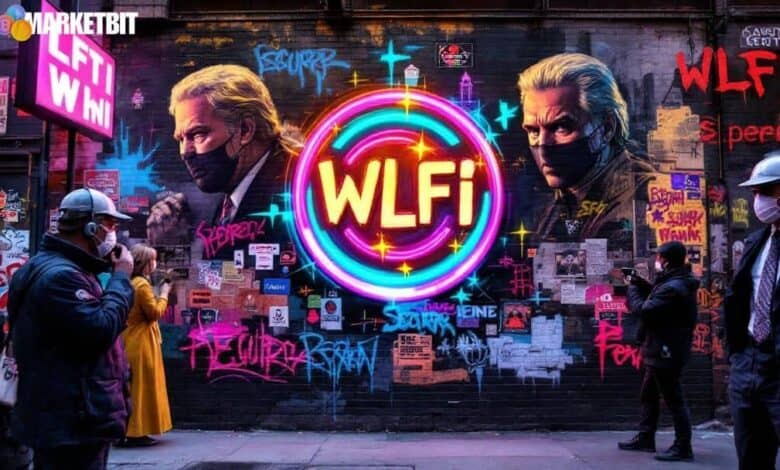
The WLFI token expenditure proposal has become a focal point of controversy, drawing attention from U.S. lawmakers. Senators Elizabeth Warren and Jack Reed raised concerns about potential threats to national security linked to WLFI’s token sales.
The Senators’ letter called for scrutiny on WLFI’s token sales, citing affiliations with entities under U.S. sanctions. World Liberty Financial, along with DT Marks DeFi LLC, faces scrutiny over governance ties and financial influences.
Immediate effects include heightened scrutiny on governance influences in crypto markets. Such attention could alter investment strategies and compliance practices among DeFi platforms. Potential national security risks are a significant concern.
“WLFI token sales allegedly involved wallets with ‘open and obvious ties to enemies of the United States’, and this creates national-security and governance-capture risks.” – Elizabeth Warren, U.S. Senator
From a political and regulatory perspective, pressure is mounting for clarity on tokenholder responsibilities and potential foreign impacts. The scrutiny highlights ongoing tensions in cryptocurrency governance and national security dialogue.
The WLFI situation might lead to tighter governance regulations for tokens linked to sanctioned entities. Examining similar precedents indicates potential for stringent compliance expectations. Historically, such regulatory actions have reshaped the crypto landscape.
Potential financial, regulatory, and technological outcomes could include stricter oversight on DeFi platforms and a reconsideration of governance models. The significance of ownership distribution in crypto governance continues to draw attention from authorities.