

| What to Know: – Always-on programmable rails enable near-real-time on-chain settlement using stablecoins. – Institutions seek continuous liquidity, weekend risk management, and greater operational efficiency. – Atomic, synchronized settlement reduces counterparty and reconciliation risk; compliance and integration required. |
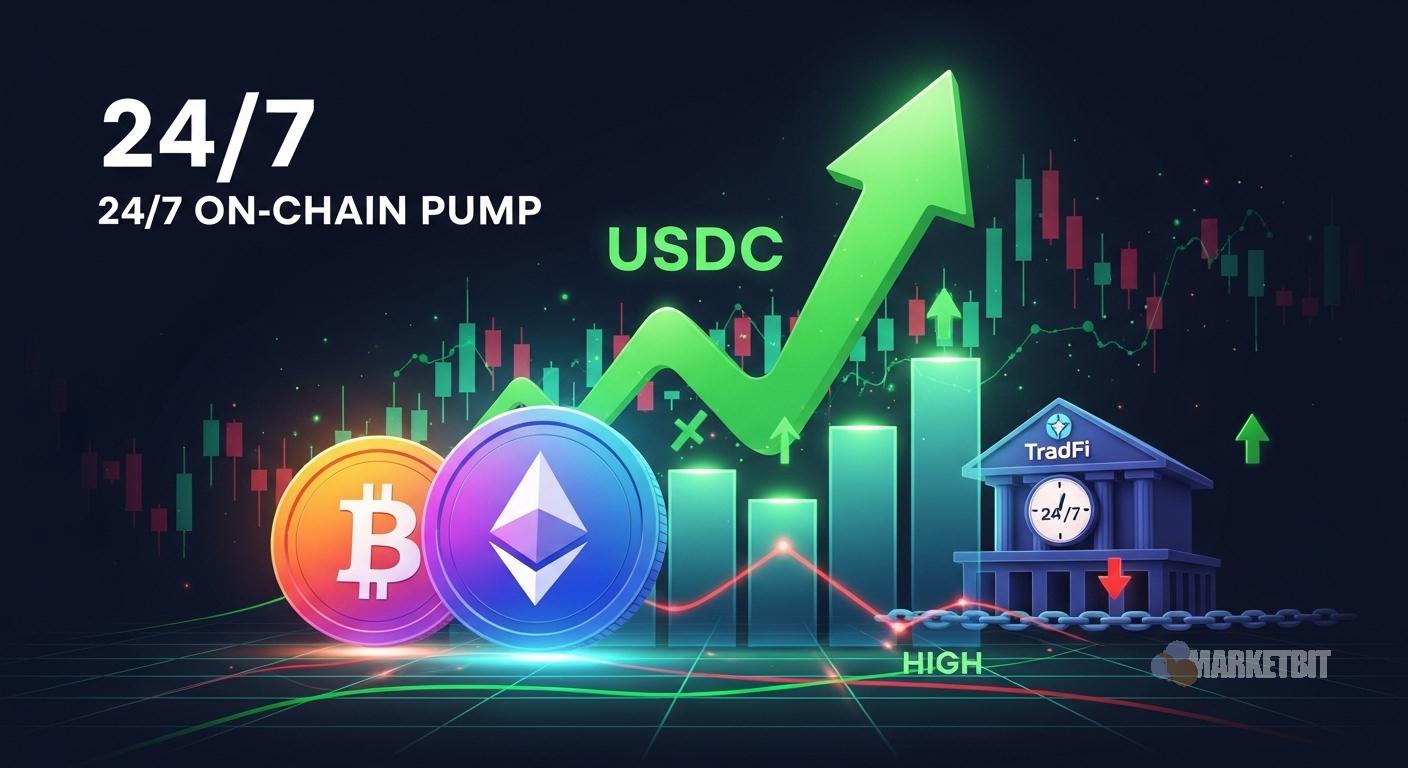
24/7/365 crypto rails refer to always-on, programmable financial infrastructure where value moves and settles on-chain with near-real-time finality. Unlike legacy messaging systems, on-chain settlement records the transfer itself, often using stablecoins as the medium of exchange.
The shift is driven by demand for continuous liquidity, weekend risk management, and operational efficiency. Atomic and synchronized settlement can reduce counterparty and reconciliation risk, though institutions still need controls for KYC/AML, legal finality, and integration with existing ledgers.
Visa and Bridge, the stablecoin infrastructure platform now owned by Stripe, expanded their collaboration to bring stablecoin-linked cards to 100 countries, according to The Defiant. This indicates card networks are testing stablecoins as rails for instant, cross-border value movement within familiar payment experiences.
Ripple’s prime brokerage integration with DTCC connects crypto-facing infrastructure with core U.S. post-trade plumbing, as reported by Bitget. That connectivity is a prerequisite if tokenized assets and on-chain settlement are to interoperate with established clearing and settlement workflows.
XRP-related market plumbing also intersects with traditional clearing: Hidden Road went live on the NSCC, as per CryptoNewsNet. Linking crypto market participants with a central clearing counterparty underscores how risk management conventions may translate into hybrid, on-chain models.
JPMorgan’s deposit token initiative on Base seeks to keep client balances within the bank’s deposit system while enabling on-chain activity, according to btw.media. This design illustrates how large institutions may use permissioned or hybrid approaches to achieve programmability without abandoning regulated balance-sheet treatment.
Against this backdrop of pilots and integrations, one institutional investor has shortened expectations for timing. “The transition will happen much faster,” said Matt Hougan, CIO at Bitwise Asset Management.
For market context at the time of this writing, the data show Bitcoin around $68,138, with a 14-day RSI near 46.14 (neutral) and roughly 4.50% volatility. These figures neither predict outcomes nor imply advice, but they frame why always-on, on-chain rails remain a focus for liquidity management.
Disclaimer:
Marketbit.io provides cryptocurrency news, alerts, commentary, and entertainment content for informational purposes only. Nothing published on this site constitutes financial, investment, legal, or trading advice. Cryptocurrency markets are highly volatile and involve substantial risk, including the potential loss of capital. Always conduct your own research (DYOR) and consult with a qualified financial professional before making any investment decisions.