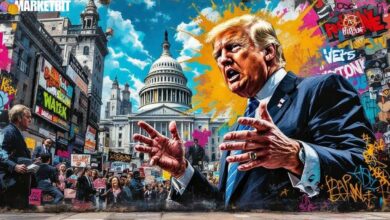


- SEC leadership change influences U.S. crypto regulations significantly.
- Bitcoin rises amid deregulation hopes.
- Potential decline in enforcement actions likely.
Paul Atkins, nominated by President-elect Donald Trump as SEC Chair in December 2024, aims to shift away from Gary Gensler’s strict crypto enforcement approach, prioritizing innovation and regulatory clarity.
Atkins’ leadership could reshape the regulatory landscape, fostering pro-crypto policies. Bitcoin’s price surged post-nomination, reflecting positive market sentiment towards potential deregulatory reforms.
Donald Trump has nominated Paul Atkins as the next SEC Chair, replacing Gary Gensler. This move marks a significant shift in U.S. crypto regulation, away from Gensler’s aggressive enforcement focus.
Under Atkins, the SEC is expected to create clear guidelines and reduce enforcement actions. This strategy aims to be more accommodating to crypto firms and encourages innovation and market clarity.
The crypto community welcomed the nomination, leading to an increase in Bitcoin’s value, reaching over $100,000. Industry participants expect clearer regulatory frameworks that reduce compliance burdens for firms. Paul Atkins, SEC Chair, remarked, “US crypto market structure legislation is close to becoming law, with President Donald Trump expected to sign it soon,” supporting CLARITY Act for SEC-CFTC clarity and institutional growth.
The financial market response underscores expectations of a deregulatory wave that could reshape the crypto landscape. Observers anticipate a boost in tokenization and improved jurisdictional clarity between SEC and CFTC.
The shift in policy may result in fewer fraud-related investigations, aligning with Atkins’ historical emphasis on targeted action. This regulatory approach is presumed to support crypto growth by closing most pending cases.
Market analysts view the policy change as beneficial for institutional involvement in crypto, backed by historical data from Atkins’ previous tenure. This could lead to new technological advances and increased confidence among financial entities.