

| What to Know: – SEC and CFTC coordinate via Project Crypto, emphasizing substituted compliance. – Near-term shift: more joint workstreams, clearer signals, not new obligations. – Agencies remain distinct; durable certainty awaits rulemaking or congressional action. |
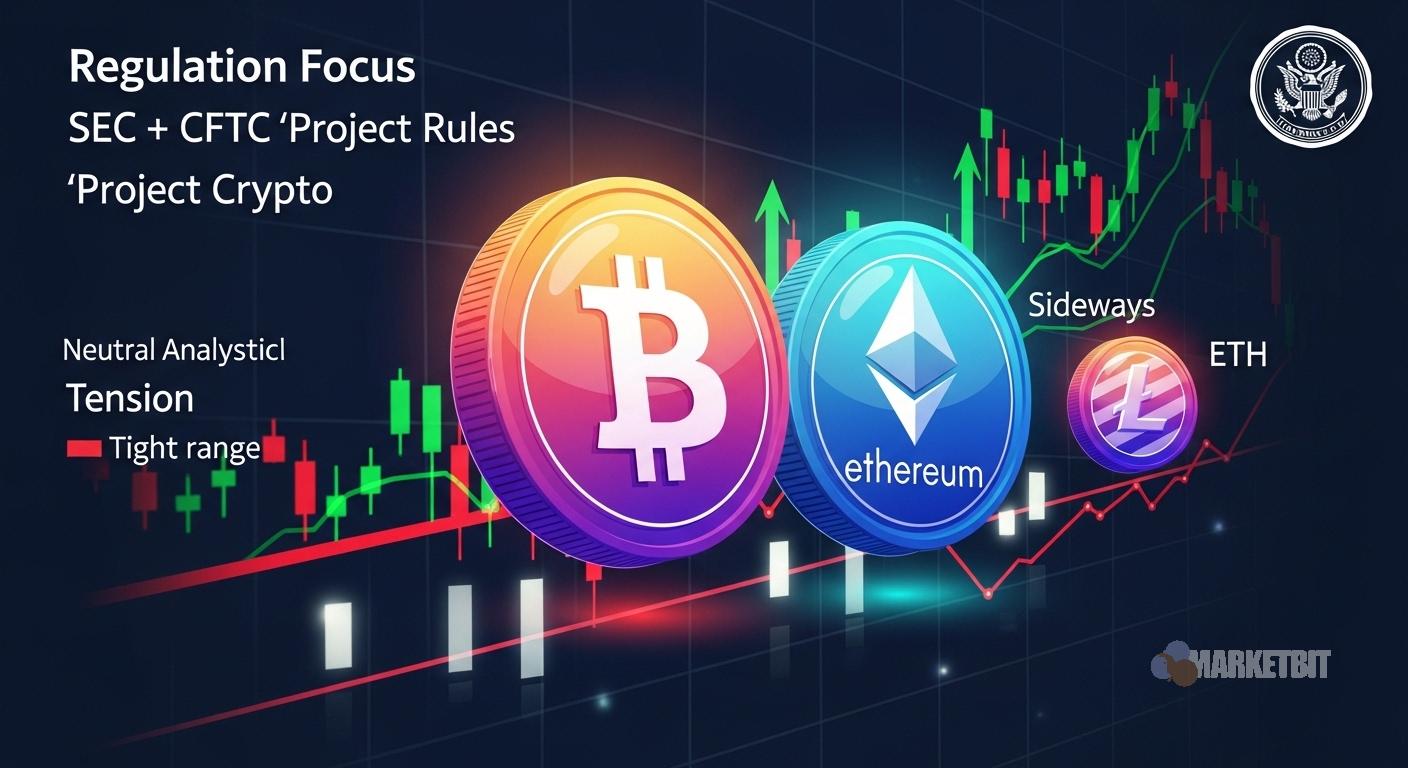
sec chair Paul S. Atkins is seeking closer coordination with the Commodity Futures Trading Commission through Project Crypto. According to Morrison & Foerster LLP, the joint initiative is among the most ambitious interagency efforts in years and emphasizes substituted compliance to reduce duplicative obligations. In practice, that concept would allow compliance with one agency’s comparable rule to satisfy the other, subject to formal determinations. The near-term change is directional: more joint workstreams and clearer signals rather than new legal obligations.
Coordination does not merge the agencies or alter statutory boundaries. According to the U.S. Securities and Exchange Commission, durable certainty would still depend on rulemaking or congressional action, so immediate obligations for crypto firms do not automatically change. The practical impact now is reduced fragmentation risk as staff align definitions and exams. That suggests clarity would arrive through formal processes, not sudden shifts.
Legal analyses identify four focus areas under Project Crypto: a crypto asset taxonomy and venue definitions, common reporting and data standards, aligned capital and margin frameworks, and targeted innovation exemptions. According to Hogan Lovells, these themes were flagged in joint statements and subsequent updates. The intent is to cut duplicative exams and filings while preserving market integrity. Any substituted compliance determinations would be scoped and conditional.
Leaders at both commissions have framed coordination as drawing brighter lines, not erasing them. In that context, the CFTC chair underscored the objectives in public remarks. “Michael Selig, Chair of the Commodity Futures Trading Commission, said the agencies will work to advance a clear crypto asset taxonomy, clarify jurisdictional lines, remove duplicative compliance requirements, and reduce regulatory fragmentation.”
Industry counsel view this as a move from enforcement-by-default toward structured rulemaking and exemptive tools. According to Norton Rose Fulbright, a more harmonized approach could ease integration of tokenization and stablecoin use cases and support embedded compliance features such as smart contract-based restrictions. Benefits would depend on how definitions and reporting schemas are aligned in final texts. Until then, firms face fewer mixed signals but unchanged statutory duties.
Disclaimer:
Marketbit.io provides cryptocurrency news, alerts, commentary, and entertainment content for informational purposes only. Nothing published on this site constitutes financial, investment, legal, or trading advice. Cryptocurrency markets are highly volatile and involve substantial risk, including the potential loss of capital. Always conduct your own research (DYOR) and consult with a qualified financial professional before making any investment decisions.